August has been a month of goodbyes, reflection, a little bit of sparkle and another reminder of just how seriously the responsibility of fostering is taken.
This month we said goodbye to our boys.
It was difficult. Saying goodbye always is.
Fostering means opening your home and your heart to children, knowing that sometimes the right outcome for them may also be the hardest one for you. I know that both boys need a level of one-to-one care and support that will give them the opportunity to thrive, and ultimately their needs have to come first.
That doesn't make saying goodbye easy, though.
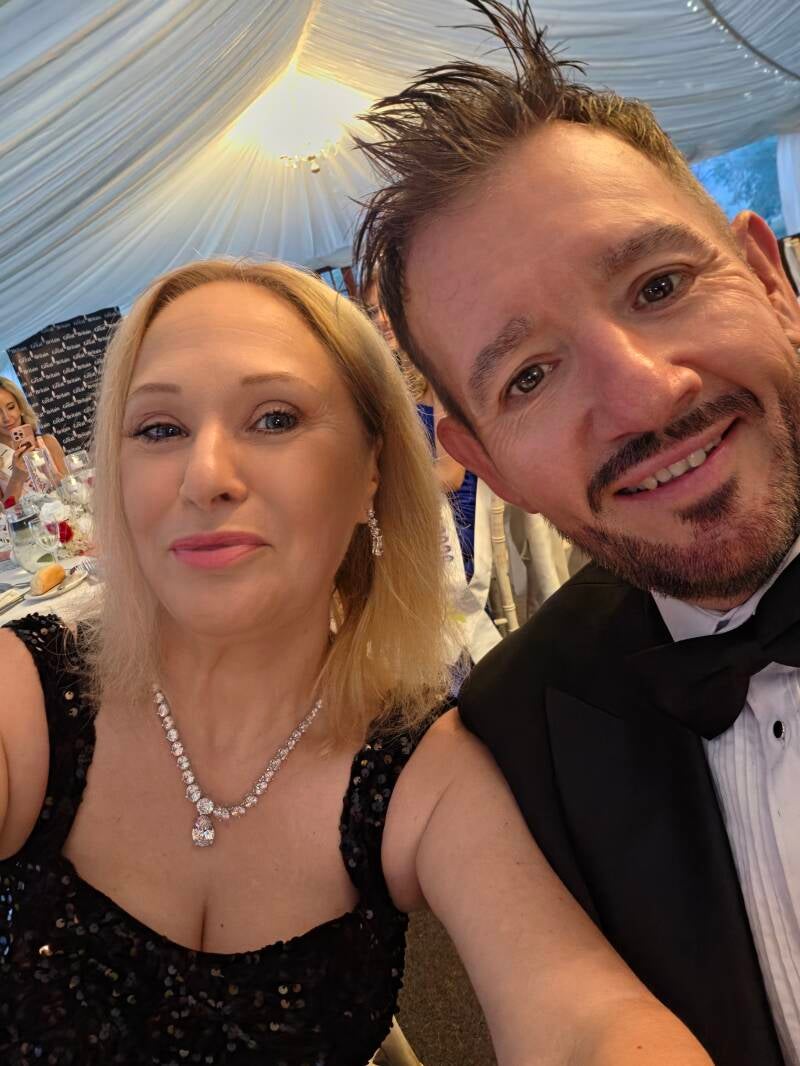
After what has been an incredibly intense period for us as a family, Darren and I have also been able to enjoy some much-needed quality time together.
And, of course, there had to be a little Grace, Grit & Sparkles along the way!
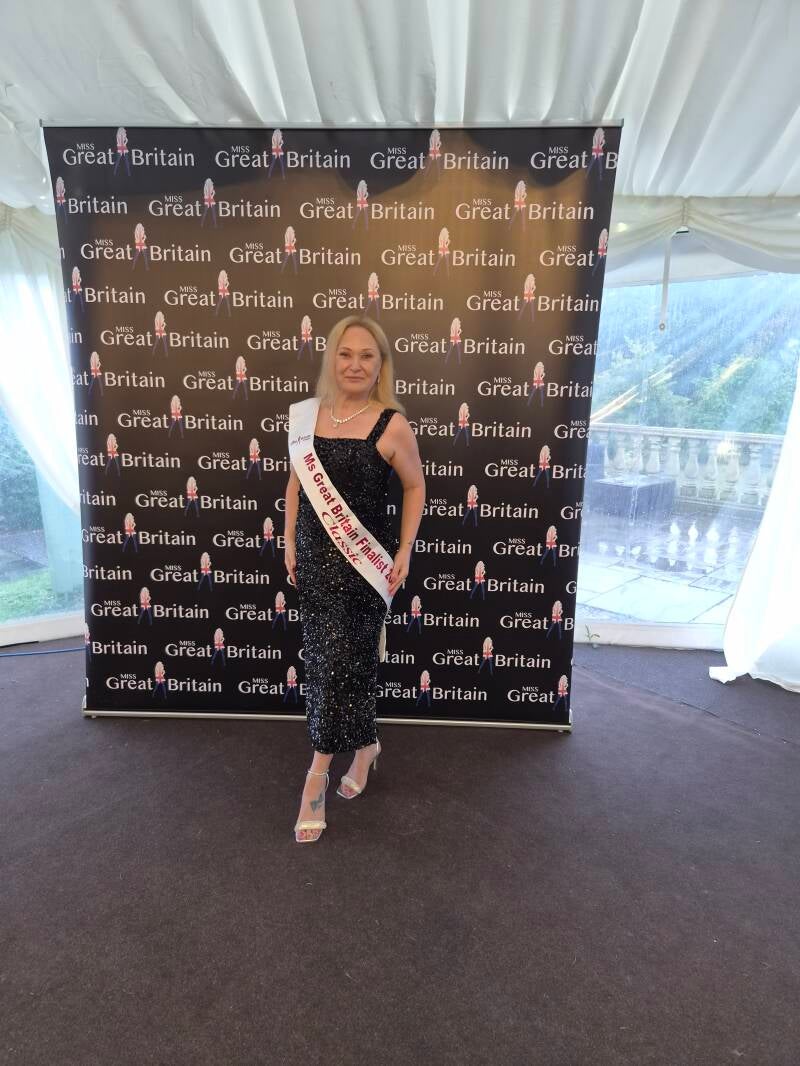
We attended the Miss Great Britain Queen's Ball, a joyous occasion celebrating and thanking our three beautiful reigning queens for their year of service. It was lovely to dress up, spend time together and simply enjoy the evening.
But behind the dresses, crowns and sparkles, another very important part of our lives continued.
Back to Panel
This month Darren and I went to fostering panel.
It is a process we have been through countless times during our fostering journey, and it is one I genuinely welcome.
People sometimes see foster carers as ordinary families who have decided to open their homes to children — and of course we are. But what perhaps isn't always seen is the level of assessment, scrutiny and ongoing oversight that sits behind that decision.
Being trusted with a vulnerable child is an enormous responsibility.
And it should come with scrutiny.
Our panel was made up of seven independent members, including professionals with backgrounds such as social work and former police service.
They aren't there simply to rubber-stamp a decision.
They look at us.
They look at our fostering journey, our family circumstances, our experiences and the way we care for children. We have to be prepared to answer questions and demonstrate that we remain suitable to provide a safe and nurturing home.
As foster carers, our lives are understandably examined in a way that most families will never experience.
There are assessments, checks, training, supervision, reviews and professional oversight. We work alongside social workers and other professionals and, when things are difficult, our decisions and our ability to safeguard the children in our care matter enormously.
After fostering 16 children, Darren and I have been through these processes many times.
I still don't resent them.
I welcome them.
Because fostering isn't about an adult's right to foster.
It is about a child's right to be safe.
Every child coming into care deserves to know that the people opening their front door to them have been properly assessed, vetted and challenged.
No system involving vulnerable children should ever be based simply on trust or good intentions.
Good intentions are important.
But safeguarding requires evidence, accountability and scrutiny too.
And Maybe... Two New Arrivals
As one chapter closes, another may soon begin.
We potentially have two young people arriving in September — siblings again, but two girls this time.
If they do come to us, our job will be exactly what it has always been: to meet them wherever they are emotionally, give them safety and consistency, and allow them the time they need to begin finding their feet.
We don't know exactly what September will bring yet.
That's fostering.
There are hellos and goodbyes. There are meetings, paperwork and professionals. There are incredibly difficult days and wonderfully ordinary ones.
And occasionally there is even time to put on a beautiful dress and go to a ball!
But underneath all of it is something much more important.
Children in care deserve adults around them who are safe, accountable and willing to be questioned.
So when Darren and I sit in front of another panel after all these years, I don't think, surely we've proved ourselves by now.
I think the opposite.
Keep asking the questions. Keep doing the checks. Keep scrutinising us.
Because when somebody is being entrusted with the care of a vulnerable child, there should never come a point when safeguarding becomes a formality.
That's not an inconvenience of fostering.
That's exactly how it should be.